In this guide7 sections
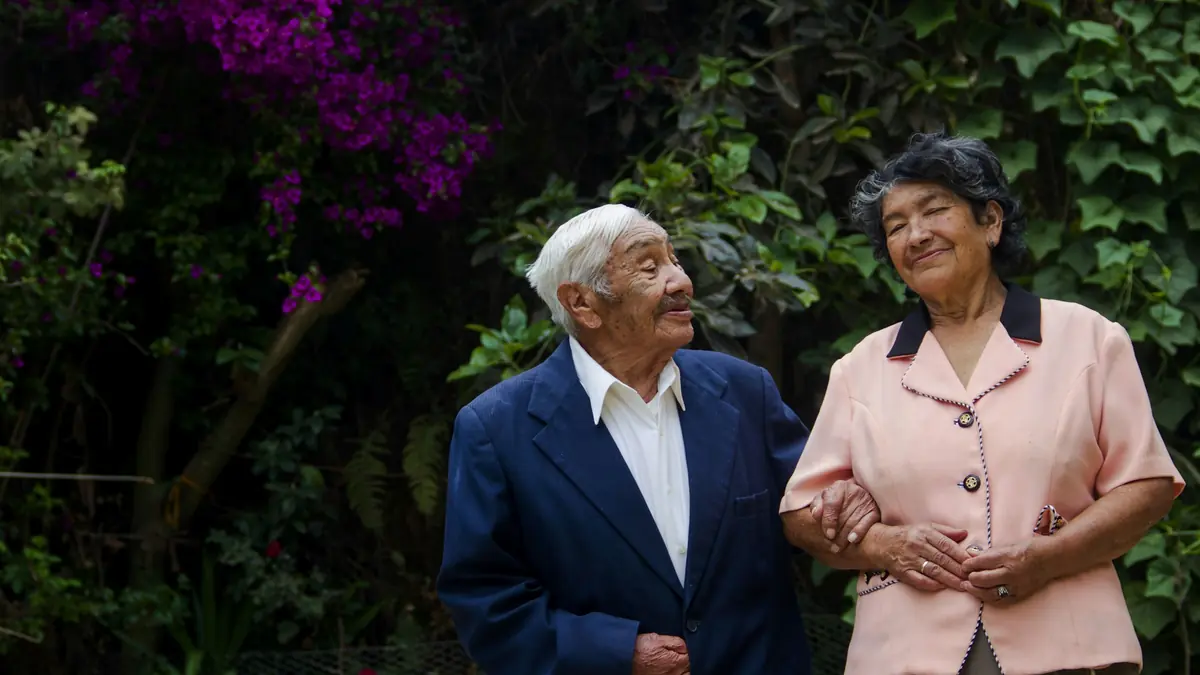
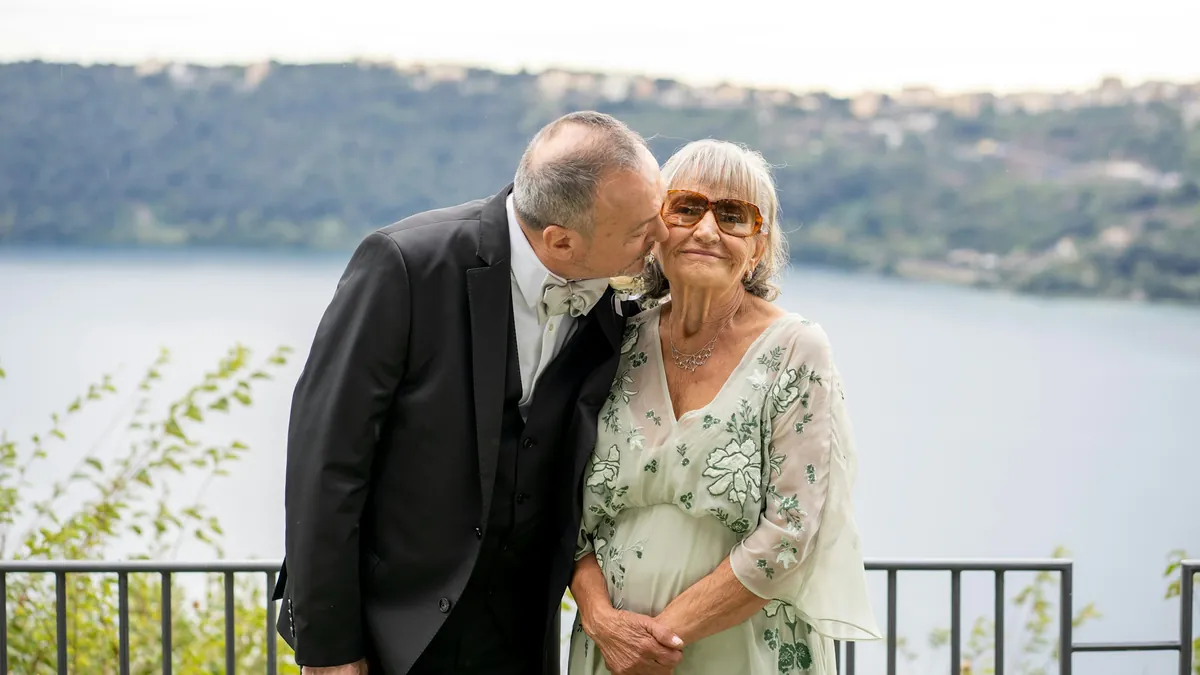
Renewing your vows means saying “I do” again, this time with years of real life behind it: kids, moves, hard seasons you got through and a story that didn’t exist on your wedding day. There’s no single way to do it, which is exactly why it helps to know what a vow renewal is, and what it isn’t, before you start planning. This guide covers religious versus symbolic ceremonies, who can officiate, ideas by anniversary and sample vows to get you writing your own.
What a vow renewal is
A vow renewal is a ceremony where a couple who is already married repeats or rewrites their promises in front of the people they love. It’s symbolic: it isn’t a new marriage and it doesn’t change your legal status. That means no paperwork, no license and no requirements. You choose the place, the format and the words.
It doesn’t add anything to a religious marriage either. As Father Vincent Serpa put it in a Catholic Answers reply, if a marriage is valid, it can’t be made more valid. What a renewal does is remind you, and everyone with you, of what you promised.
One useful distinction: if you only had a civil wedding and now want to marry in church, that’s not a renewal. It’s a religious wedding, with its own Catholic wedding requirements in Peru, so ask your parish or church what they need from you.
When couples usually do it
- On a milestone anniversary: the 10th, 25th or 50th.
- After a hard stretch you made it through together.
- When the original wedding was small or rushed and you want the celebration you never had.
- When your kids are old enough to take part in the ceremony.
Religious or symbolic ceremony
| Religious | Symbolic | |
|---|---|---|
| Where | Your parish or church | Anywhere you like |
| Who leads it | A priest or pastor | A relative, a friend or an officiant you hire |
| The words | Whatever your church uses | Whatever you write |
| What to coordinate | Date and format with your church | Just the logistics of the day |
If you’re Catholic
The Catholic marriage ritual includes a blessing for married couples on their anniversary. In a 2017 column in The Catholic Sun, Bishop Thomas Olmsted of Phoenix explained that in this blessing the couple takes part but does not renew their vows, because the marriage was already made by the consent they gave on their wedding day.
Every parish handles this its own way. Before you set a date, talk to your parish and ask whether it can be part of a Mass, which days work and what you need to bring.
If you’re Protestant or evangelical
Talk to your pastor, who can tell you how your church usually does it and whether it can be part of a service. If you get to choose the readings, these passages come up often at couples’ celebrations:
- 1 Corinthians 13:4-7, the passage about love being patient and kind.
- Ruth 1:16-17, the promise to go wherever the other goes.
- Ecclesiastes 4:9-12, with the cord of three strands.
- Colossians 3:12-14, which ends with love binding everything together.
If it’s symbolic
There are no rules: your living room, the beach where you met, your grandparents’ garden or the restaurant where you got engaged. What does help is a clear order (entrance, a few words, vows, rings, toast) and keeping it short. Twenty well-paced minutes will move people more than an hour.
Who officiates a vow renewal
For a symbolic ceremony, anyone who knows your story well can lead it:
- One of your kids or grandkids, sharing how they’ve watched you love each other.
- Your original best man, maid of honor or wedding sponsors, the Peruvian padrinos, who were there from the start.
- A close friend who’s comfortable speaking in public.
- A professional officiant or emcee, if you’d rather someone else handle the flow.
For a religious ceremony, the priest or pastor leads it, as agreed with your church.
Vow renewal ideas
For your 10th anniversary
The first decade often comes with young kids, so something intimate works well:
- Have your kids carry the rings or read a line they wrote.
- A short ceremony at home, followed by the trip you skipped on your honeymoon.
- Engrave your rings with both dates: the wedding and the renewal.
For your 25th or 50th
Silver and gold anniversaries are the ones most often celebrated in a big way. For what each year stands for, see our guide to wedding anniversary names by year. A few ideas:
- Invite the people who were there the first time: your wedding party, sponsors, old friends.
- Show a photo from every year, or every decade, as you walk in.
- Let the grandkids lead the way down the aisle.
Ideas that work for any anniversary
- The same song you walked in to, or had your first dance to.
- Something from the wedding day: the dress, the veil, the tie or a new take on the bouquet.
- The same menu as your reception, or the dish from your first date.
- Letters from your kids, read aloud during the ceremony.
- A symbolic gesture: plant a tree together or light a candle side by side.
- Recreate your wedding photo in the same spot.
If you want to turn it into a party, our anniversary celebration ideas cover plans by milestone and how to organize one.
How to write your vows (with examples)
Renewal vows are different from the first ones: back then you promised without knowing; now you promise knowing exactly what it takes. Three tips:
- Talk about what you’ve lived. One specific memory says more than ten adjectives.
- Promise something new, something that fits the stage you’re entering.
- Keep it under two minutes. Read it out loud beforehand to time it.
Use these as a starting point and make them sound like you.
“Ten years ago I made promises I didn’t fully understand. Now I know what it takes to keep them, and I’m making them again: to stay through the good days, the exhausting ones and the ones we haven’t met yet.”
“When we got married, I thought love was what I felt that day. You taught me it’s what we do every morning. I choose you again, with everything we’ve built and everything still ahead.”
“Twenty-five years, two kids, four homes and one thing I’m sure of: you. I promise to keep listening, keep laughing at your recycled jokes and take care of you the way you’ve taken care of me.”
“Fifty years ago we had almost nothing except each other. Today, in front of our children and grandchildren, I’m saying what I said back then, with a lot more reasons: yes, with you.”
What people ask before planning one
Does a vow renewal have any legal weight?
No, and it doesn’t need any. It’s a symbolic act between two people who are already married: it isn’t a new marriage and it doesn’t change your legal status. That means no paperwork, no license and no requirements, and you choose the place, the format and the words without asking anyone’s permission.
We only had a civil wedding. Is a renewal what we want?
Probably not. If you’re civilly married and now want to marry in church, that isn’t a renewal—it’s a religious wedding, with its own file, records, prep course and witnesses. Ask your parish or church what they need from you, since each one sets its own list, and count on several months of lead time.
Does the Catholic Church renew vows?
Not exactly. The Catholic marriage ritual includes a blessing for married couples on their anniversary, but Bishop Thomas Olmsted of Phoenix explained in a 2017 column in The Catholic Sun that the couple takes part in that blessing without renewing their vows: the marriage was already made by the consent they gave on their wedding day. Every parish handles it its own way.
How long should the ceremony be?
Short. Twenty well-paced minutes move people more than an hour, as long as there’s a clear order: entrance, a few words, vows, rings and a toast. The vows themselves land better under two minutes each; read them out loud before the day, both to time them and to hear how they sound.
How parati helps with your vow renewal
With parati, your invitation and your gift registry share one link that you send over WhatsApp:
- Guests RSVP and give from their phones without creating an account, paying by card or Yape.
- Gifts in parts. A big gift can be split so several guests share it.
- El Sueño (The Dream). One big gift, like the trip you keep putting off, with a goal and a minimum contribution you set.
- You know who to thank. You see who confirmed and what each guest gave.
Start from the anniversaries page.